•
•
•
•
•
•
•
•
•
•
Similar to A Different Man






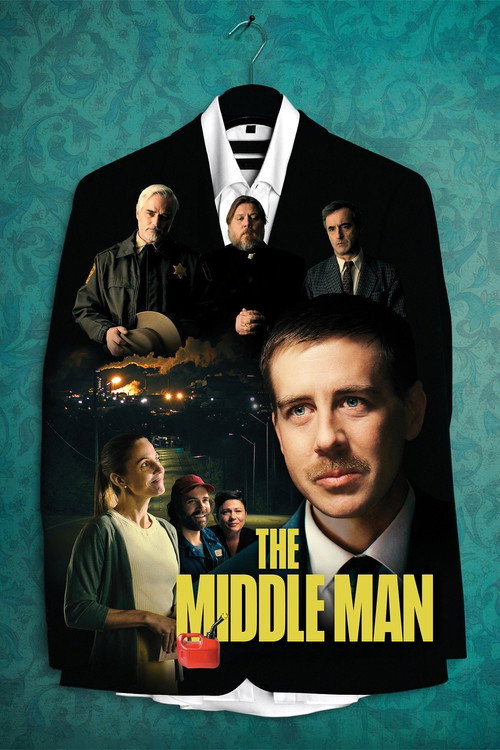


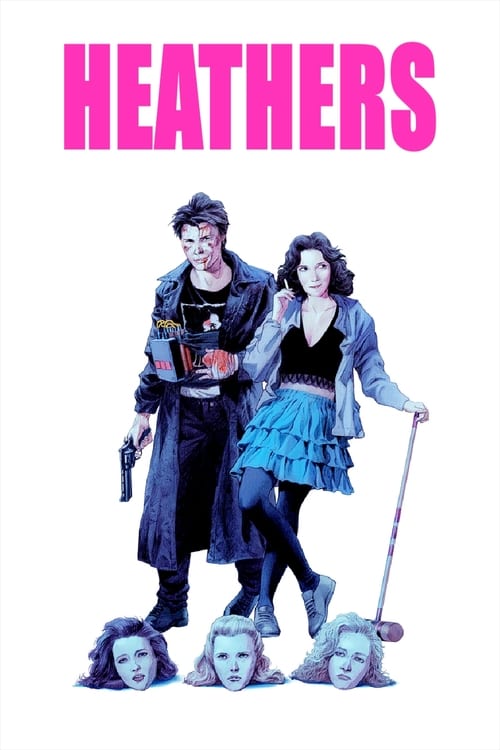


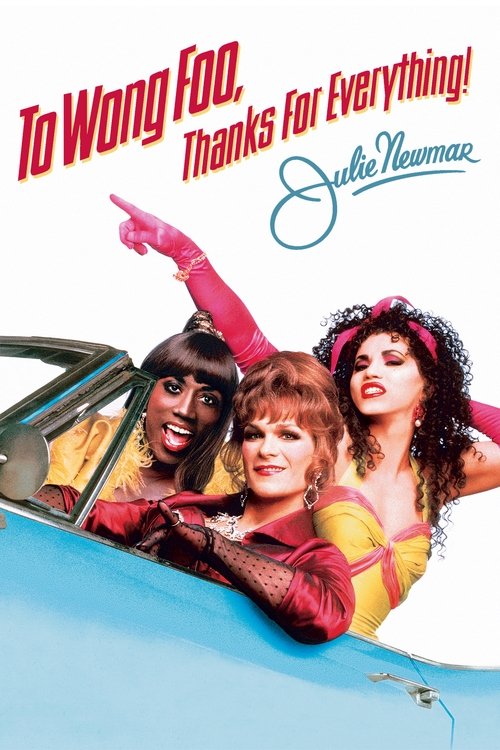
Aspiring actor Edward undergoes a radical medical procedure to drastically transform his appearance. But his new dream face quickly turns into a nightmare.
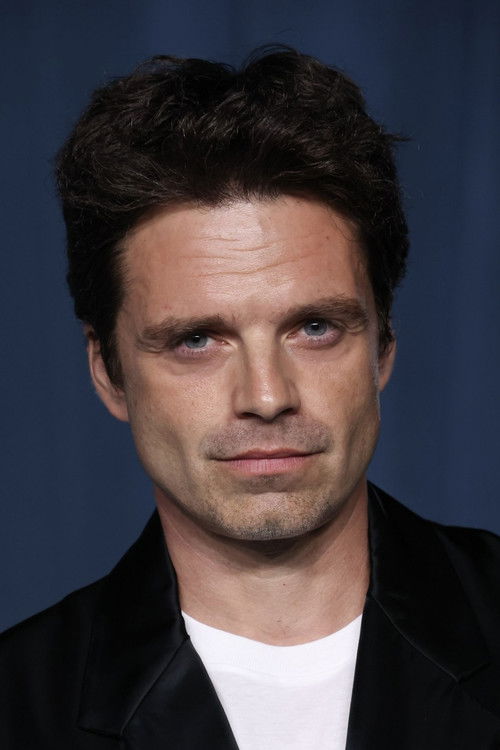
Edward
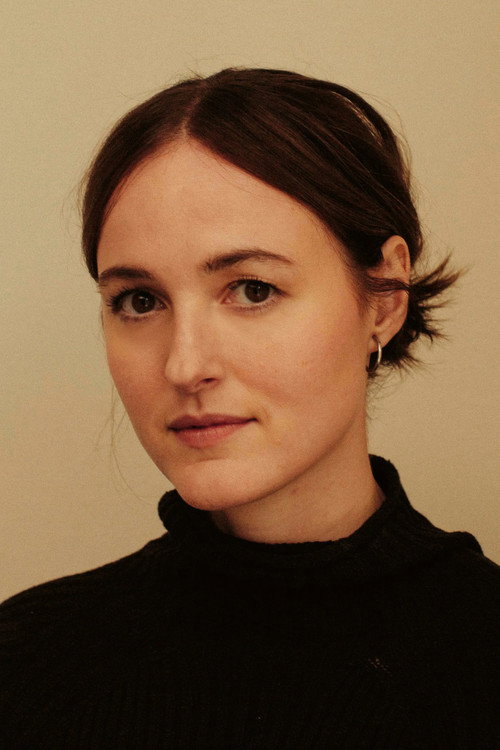
Ingrid
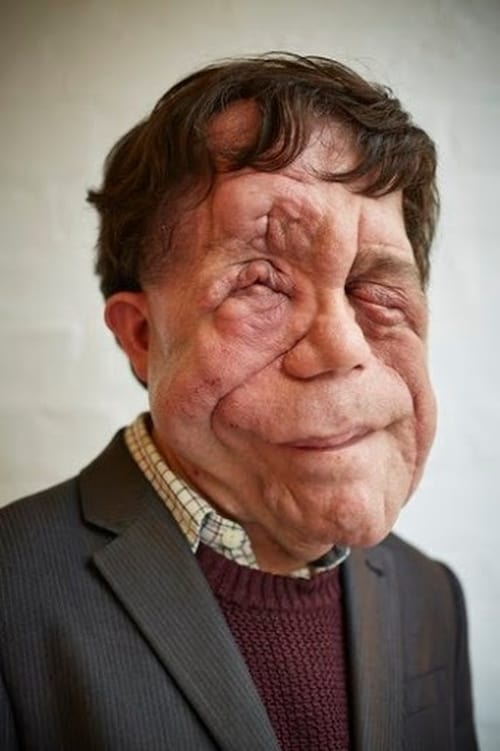
Oswald

Sean

Director

Corey
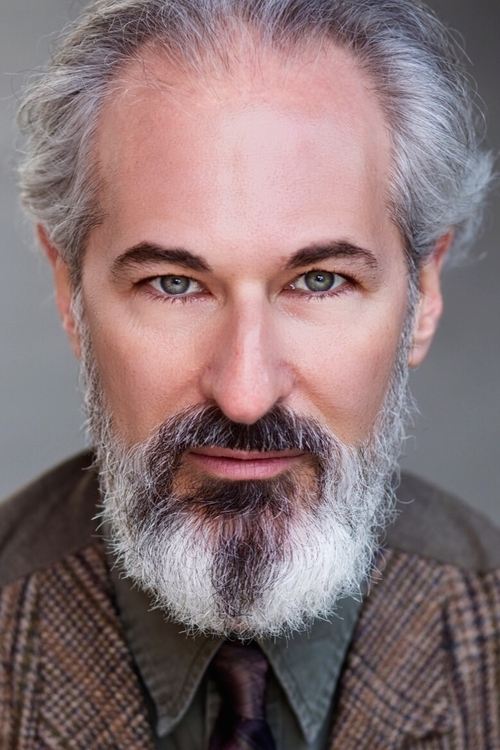
Ragged Man

Mover

Landlord
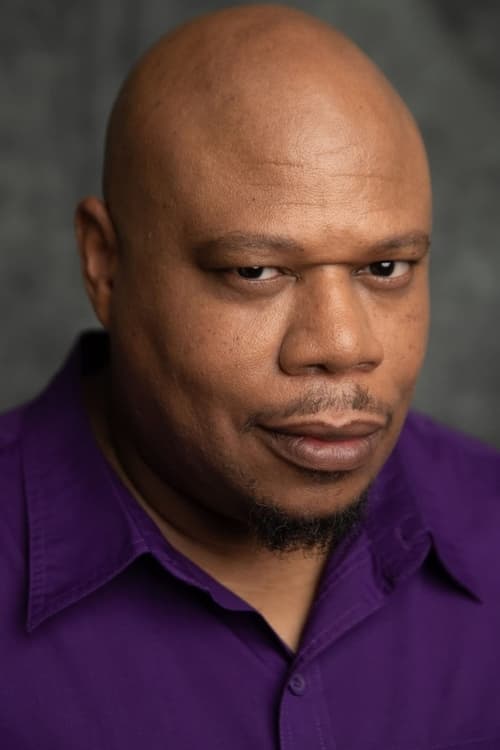
Ollie
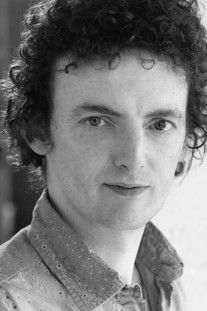
Dr. Varno
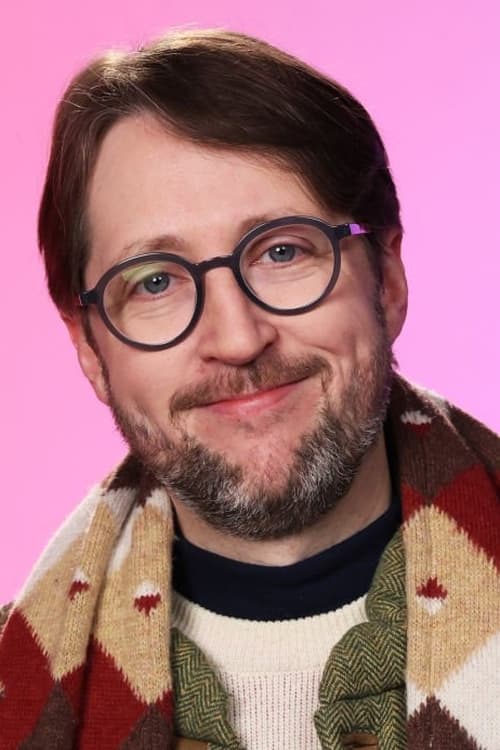
Carl

Luther
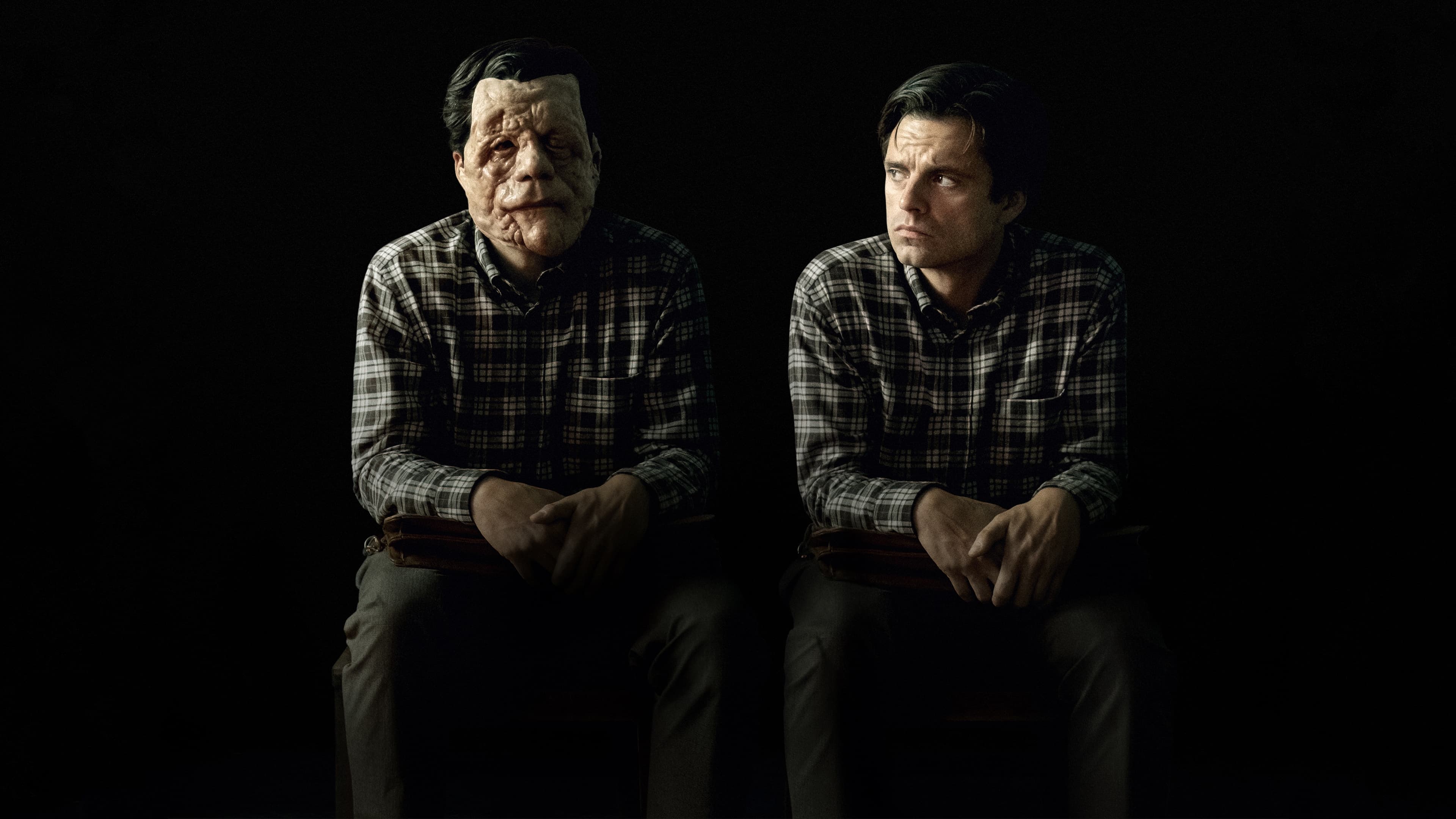
"Edward" (Sebastian Stan) is a facially disfigured man, stuck in a rundown apartment, whose life isn't really going anywhere fast. Then he gets a new neighbour. "Ingrid" (Renato Reinsve) is a writer who befriends him and promises him a part in her play. Meantime, his doctors manage to get him on a radical course of treatment that gradually returns his face to a more normal visage. Returning to his flat, and with some fairly grotesque things emerging from his leaky ceiling, he realises that nobody recognises him anymore so he has to assume a different identity. That's when he discovers that "Ingrid" is, indeed, putting on a play - and that the old "Edward" is the title and the topic. He wants the part. It's his part. How to get it though without giving the game away? Add to his frustrations the arrival of "Oswald" (Adam Pearson) who is an ostensibly decent character but who also wants the role, and he has the aesthetics as opposed to the prosthetics. "Ingrid" has tough choices to make but where might this leave "Edward"? There's something quite circular about the way this story pans out. A sort of be careful what you wish for type scenario that gives and removes hope from "Edward" and almost creates a villain of the piece too! Is that merited or is that justified? The drama shines a light on the more shallow attitudes amidst society, on our intolerances and assumptions but it also swipes at the fickleness of friendships, fame and success - all rather engagingly delivered by both Stan and Pearson. It's the former man who positively exudes exasperation as the denouement (only vaguely) skirts the Chaplinesque. It's on that note that it's worth saying this is quite funny at times, too - the writing doesn't try to impose any morals on us, rather it presents us with some scenarios and lets us enjoy and evaluate as we go. It doesn't hang about, and right from the start we hit the ground running as the characters develop, the personalities emerge - for good or bad, and it's well worth a couple of hours in a cinema. I got more from it second time round as I was able to focus a little more on the nuance than the imagery.
_A Different Man_ delights with a delicious paradox: take a character who feels outcast because of his looks, and then – _voila_. Melt away his differences. _Would he suddenly fit in? Would his life instantly turn around? Or is “success” far more than skin deep?_ New York writer-director Aaron Schimberg wants us to ponder if Edward is better off than he was before. We're caught between wondering if he's a victim of society’s need for normalcy – or a victim of _his own_ victim complex. With his third feature, Schimberg creates a tantalising fantasy with oodles to say about perception, identity and inner happiness. His dark comic story peers deep into how we deal with “otherness” in society – and how we often revert, in our private moments, to letting our exteriors define who we are inside. The cherry on top? The scene when Edward’s tumours start loosening, and he literally begins peeling his face off in stringy strips. Whether real or imagined, it’s up there with cinema’s most memorably horrifying special FX. Read our full review of _A Different Man_ at good.film: https://good.film/guide/a-different-man-literally-strips-away-how-we-look-at-disfigurement
Stories that allegorically address themes related to self-esteem, social acceptance and prejudice undoubtedly merit our attention, provided that they execute their narratives in discernable, cogent, relatable ways. Unfortunately, though, that’s where writer-director Aaron Schimberg’s third feature drops the ball. The film follows the strange saga of Edward Lemuel (Sebastian Stan), an aspiring New York actor afflicted with a severe skin disfigurement that has left his face overcome with tumorous growths. However, when he learns of a radical new medical treatment that offers the hope of a cure, he jumps at the chance. And, before long, after a series of incidents that bring graphic new meaning to the term “skin peel,” he’s left with a normal (and quite handsome) appearance. But, now that he has this new look, is it what he really wants for himself? Can he adjust to it and what it affords? This change thus prompts him to ask himself these questions when he starts getting all of the things he had once supposedly longed for, such as a beautiful romantic interest, Ingrid (Renate Reinsve), and a lead role in an off-Broadway play. He can’t help but quietly wonder, “Am I suddenly being accepted because of my appearance or because of who I am as an individual?” What’s more, was the reaction that he previously received from others as bad as he thought it was, or was his perception clouded by his own distorted views of himself? That becomes especially true when he meets Oswald (Adam Pearson), a cheery, well-adjusted individual who leads a successful, fulfilling life despite being affected by the same health condition Edward once had. Conceptually speaking, these issues are universal themes that many of us might ask ourselves from time to time, all of which ultimately stem back to our view of whether we see the glass of life being half full or half empty. However, when examined through this prism, these ideas are unnecessarily muddled here by a clumsy script that can’t make up its mind what kind of movie it wants to be. Is it smart horror? A dark comedy? A psychological thriller? As it’s presented, the film is a jumbled combination of the foregoing punctuated by awkward and abrupt transitions, undercooked character development, and underwhelming explorations of its core notions. Indeed, rather than confidently tackling its primary intents head on, the picture spends much of its time dancing around them (and often tripping over its own feet in the process), particularly with the incorporation of odd, out-of-place plot elements that serve more to confuse the flow of the story than to clarify it. In many ways, the finished product becomes much like the quirky, bombastic works of filmmakers Charlie Kaufman, Ari Aster or Darren Aronofsky, one that leans more toward the needless excesses of “The Substance” (2024) than the graceful eloquence of “The Elephant Man” (1980). To its credit, “A Different Man” frequently comes across better than it probably should thanks to the solid performances of Pearson, Reinsve and Golden Globe Award winner Stan. But, given the film’s many other shortcomings, that’s hardly enough to save this production from itself.
**A Different Man (2024)** _Directed by Aaron Schimberg_ Aaron Schimberg's A Different Man announces its literary pedigree early, nodding to The Elephant Man and Cyrano de Bergerac (a clip plays on a TV screen, lest we miss the connection). But the true lineage, unacknowledged, is Hiroshi Teshigahara's The Face of Another (1966). Like that Japanese masterwork, Schimberg's film asks what happens when a man sheds his disfigured face, only to discover the prison was never external. The premise is solid, the comedy enjoyable, the performances committed; what's missing is the depth and creativity to fully realize its own twist. Edward (Sebastian Stan) lives with neurofibromatosis, his face a landscape of tumors that mark him as different in a world allergic to difference. He's a struggling actor, understandably withdrawn, yearning for the neighbor who's just moved in. When an experimental treatment offers him a conventional face, he seizes it, shedding his old identity like dead skin. Reborn as "Guy," handsome and anonymous, he believes he's finally free. But his neighbor Ingrid (Renate Reinsve), an aspiring playwright, has written a drama about Edward's former life, and the lead role goes to Oswald (Adam Pearson), a man with the same condition Edward escaped, but with none of Edward's self-loathing. Oswald is charismatic, confident, magnetic; everything Edward never was and Guy can never be. Here's where Schimberg's derivation from the Japanese classic takes hold: Edward's torment isn't simply that he's lost himself, but that he's convinced his transformation was a mistake. Had he stayed in his original face, he believes, he'd be in Oswald's place, living Oswald's life, winning Ingrid's heart. The film understands this is delusion; Edward and Oswald have diametrically opposite personalities, and Ingrid warned him from the start that she leaves a trail of broken hearts. But self-hatred doesn't traffic in logic. Edward's jealousy, his conviction that he chose wrong, becomes the engine driving him toward increasingly desperate acts. Stan and Pearson both commit fully to their roles. Stan makes Edward's misery palpable without begging for sympathy, while Pearson brings such genuine warmth and ease to Oswald that the character never feels like a symbolic rebuke. The comedy sprinkled throughout works precisely because it doesn't soften the film's darker currents; Schimberg has a good instinct for the absurd. What derails the experience are credibility gaps that yank the viewer out of the film's flow. For example, the notion that a highly experimental procedure would be tested in a proper double-blind study with a population this rare strains credibility. More troubling is the absence of any psychological scaffolding: In an era when gender transition requires extensive therapy and evaluation, the idea that someone could undergo such drastic facial reconstruction without commensurate mental health support feels like a convenient elision. These aren't minor quibbles; they're structural choices that undermine the film's psychological realism. Ultimately, A Different Man offers a premise that isn't particularly original, save for its jealousy-fueled twist. That twist needed greater character development, more creative exploration of what it means to believe you've made the unforgivable choice. Schimberg has the intelligence and the performers to deliver something richer, but the film settles for surface cleverness when depth was required. It's an interesting failure though, worth seeing for its ambitions and its moments of dark humor.
August 24, 2024
Edward
Ingrid
Oswald
Sean
Director
Corey
Ragged Man
Mover
Landlord
Ollie
Dr. Varno
Carl
Luther
"Edward" (Sebastian Stan) is a facially disfigured man, stuck in a rundown apartment, whose life isn't really going anywhere fast. Then he gets a new neighbour. "Ingrid" (Renato Reinsve) is a writer who befriends him and promises him a part in her play. Meantime, his doctors manage to get him on a radical course of treatment that gradually returns his face to a more normal visage. Returning to his flat, and with some fairly grotesque things emerging from his leaky ceiling, he realises that nobody recognises him anymore so he has to assume a different identity. That's when he discovers that "Ingrid" is, indeed, putting on a play - and that the old "Edward" is the title and the topic. He wants the part. It's his part. How to get it though without giving the game away? Add to his frustrations the arrival of "Oswald" (Adam Pearson) who is an ostensibly decent character but who also wants the role, and he has the aesthetics as opposed to the prosthetics. "Ingrid" has tough choices to make but where might this leave "Edward"? There's something quite circular about the way this story pans out. A sort of be careful what you wish for type scenario that gives and removes hope from "Edward" and almost creates a villain of the piece too! Is that merited or is that justified? The drama shines a light on the more shallow attitudes amidst society, on our intolerances and assumptions but it also swipes at the fickleness of friendships, fame and success - all rather engagingly delivered by both Stan and Pearson. It's the former man who positively exudes exasperation as the denouement (only vaguely) skirts the Chaplinesque. It's on that note that it's worth saying this is quite funny at times, too - the writing doesn't try to impose any morals on us, rather it presents us with some scenarios and lets us enjoy and evaluate as we go. It doesn't hang about, and right from the start we hit the ground running as the characters develop, the personalities emerge - for good or bad, and it's well worth a couple of hours in a cinema. I got more from it second time round as I was able to focus a little more on the nuance than the imagery.
_A Different Man_ delights with a delicious paradox: take a character who feels outcast because of his looks, and then – _voila_. Melt away his differences. _Would he suddenly fit in? Would his life instantly turn around? Or is “success” far more than skin deep?_ New York writer-director Aaron Schimberg wants us to ponder if Edward is better off than he was before. We're caught between wondering if he's a victim of society’s need for normalcy – or a victim of _his own_ victim complex. With his third feature, Schimberg creates a tantalising fantasy with oodles to say about perception, identity and inner happiness. His dark comic story peers deep into how we deal with “otherness” in society – and how we often revert, in our private moments, to letting our exteriors define who we are inside. The cherry on top? The scene when Edward’s tumours start loosening, and he literally begins peeling his face off in stringy strips. Whether real or imagined, it’s up there with cinema’s most memorably horrifying special FX. Read our full review of _A Different Man_ at good.film: https://good.film/guide/a-different-man-literally-strips-away-how-we-look-at-disfigurement
Stories that allegorically address themes related to self-esteem, social acceptance and prejudice undoubtedly merit our attention, provided that they execute their narratives in discernable, cogent, relatable ways. Unfortunately, though, that’s where writer-director Aaron Schimberg’s third feature drops the ball. The film follows the strange saga of Edward Lemuel (Sebastian Stan), an aspiring New York actor afflicted with a severe skin disfigurement that has left his face overcome with tumorous growths. However, when he learns of a radical new medical treatment that offers the hope of a cure, he jumps at the chance. And, before long, after a series of incidents that bring graphic new meaning to the term “skin peel,” he’s left with a normal (and quite handsome) appearance. But, now that he has this new look, is it what he really wants for himself? Can he adjust to it and what it affords? This change thus prompts him to ask himself these questions when he starts getting all of the things he had once supposedly longed for, such as a beautiful romantic interest, Ingrid (Renate Reinsve), and a lead role in an off-Broadway play. He can’t help but quietly wonder, “Am I suddenly being accepted because of my appearance or because of who I am as an individual?” What’s more, was the reaction that he previously received from others as bad as he thought it was, or was his perception clouded by his own distorted views of himself? That becomes especially true when he meets Oswald (Adam Pearson), a cheery, well-adjusted individual who leads a successful, fulfilling life despite being affected by the same health condition Edward once had. Conceptually speaking, these issues are universal themes that many of us might ask ourselves from time to time, all of which ultimately stem back to our view of whether we see the glass of life being half full or half empty. However, when examined through this prism, these ideas are unnecessarily muddled here by a clumsy script that can’t make up its mind what kind of movie it wants to be. Is it smart horror? A dark comedy? A psychological thriller? As it’s presented, the film is a jumbled combination of the foregoing punctuated by awkward and abrupt transitions, undercooked character development, and underwhelming explorations of its core notions. Indeed, rather than confidently tackling its primary intents head on, the picture spends much of its time dancing around them (and often tripping over its own feet in the process), particularly with the incorporation of odd, out-of-place plot elements that serve more to confuse the flow of the story than to clarify it. In many ways, the finished product becomes much like the quirky, bombastic works of filmmakers Charlie Kaufman, Ari Aster or Darren Aronofsky, one that leans more toward the needless excesses of “The Substance” (2024) than the graceful eloquence of “The Elephant Man” (1980). To its credit, “A Different Man” frequently comes across better than it probably should thanks to the solid performances of Pearson, Reinsve and Golden Globe Award winner Stan. But, given the film’s many other shortcomings, that’s hardly enough to save this production from itself.
**A Different Man (2024)** _Directed by Aaron Schimberg_ Aaron Schimberg's A Different Man announces its literary pedigree early, nodding to The Elephant Man and Cyrano de Bergerac (a clip plays on a TV screen, lest we miss the connection). But the true lineage, unacknowledged, is Hiroshi Teshigahara's The Face of Another (1966). Like that Japanese masterwork, Schimberg's film asks what happens when a man sheds his disfigured face, only to discover the prison was never external. The premise is solid, the comedy enjoyable, the performances committed; what's missing is the depth and creativity to fully realize its own twist. Edward (Sebastian Stan) lives with neurofibromatosis, his face a landscape of tumors that mark him as different in a world allergic to difference. He's a struggling actor, understandably withdrawn, yearning for the neighbor who's just moved in. When an experimental treatment offers him a conventional face, he seizes it, shedding his old identity like dead skin. Reborn as "Guy," handsome and anonymous, he believes he's finally free. But his neighbor Ingrid (Renate Reinsve), an aspiring playwright, has written a drama about Edward's former life, and the lead role goes to Oswald (Adam Pearson), a man with the same condition Edward escaped, but with none of Edward's self-loathing. Oswald is charismatic, confident, magnetic; everything Edward never was and Guy can never be. Here's where Schimberg's derivation from the Japanese classic takes hold: Edward's torment isn't simply that he's lost himself, but that he's convinced his transformation was a mistake. Had he stayed in his original face, he believes, he'd be in Oswald's place, living Oswald's life, winning Ingrid's heart. The film understands this is delusion; Edward and Oswald have diametrically opposite personalities, and Ingrid warned him from the start that she leaves a trail of broken hearts. But self-hatred doesn't traffic in logic. Edward's jealousy, his conviction that he chose wrong, becomes the engine driving him toward increasingly desperate acts. Stan and Pearson both commit fully to their roles. Stan makes Edward's misery palpable without begging for sympathy, while Pearson brings such genuine warmth and ease to Oswald that the character never feels like a symbolic rebuke. The comedy sprinkled throughout works precisely because it doesn't soften the film's darker currents; Schimberg has a good instinct for the absurd. What derails the experience are credibility gaps that yank the viewer out of the film's flow. For example, the notion that a highly experimental procedure would be tested in a proper double-blind study with a population this rare strains credibility. More troubling is the absence of any psychological scaffolding: In an era when gender transition requires extensive therapy and evaluation, the idea that someone could undergo such drastic facial reconstruction without commensurate mental health support feels like a convenient elision. These aren't minor quibbles; they're structural choices that undermine the film's psychological realism. Ultimately, A Different Man offers a premise that isn't particularly original, save for its jealousy-fueled twist. That twist needed greater character development, more creative exploration of what it means to believe you've made the unforgivable choice. Schimberg has the intelligence and the performers to deliver something richer, but the film settles for surface cleverness when depth was required. It's an interesting failure though, worth seeing for its ambitions and its moments of dark humor.