•
•
•
•
•
•
•
•
•
•
In late-90s suburbia, a lonely teenager meets a girl at school who introduces him to a mysterious late-night T.V. show — a vision of a supernatural world pulsing beneath their own. As time goes on, however, questions begin to arise about why the show sometimes seems more real than their own lives. In the pale glow of the television, their view of reality begins to crack.

Owen
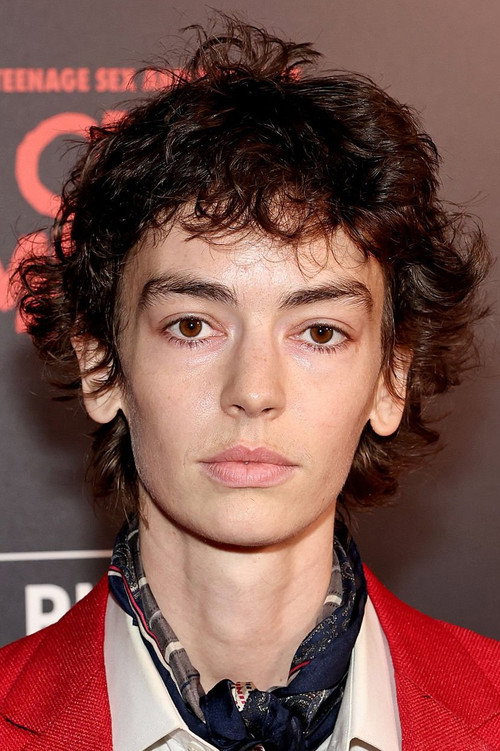
Maddy

Young Owen

Isabel

Tara

Brenda

Frank

Dave
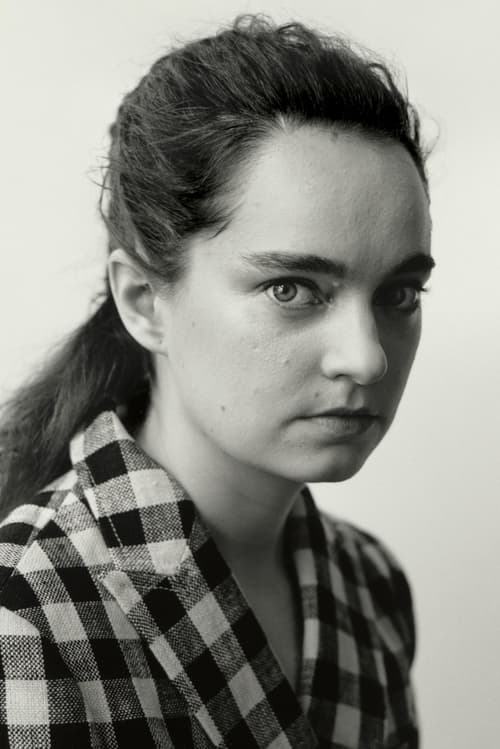
Amanda / Mr. Melancholy / Marco / Evil Clown

Polo

Johnny Link's Mom

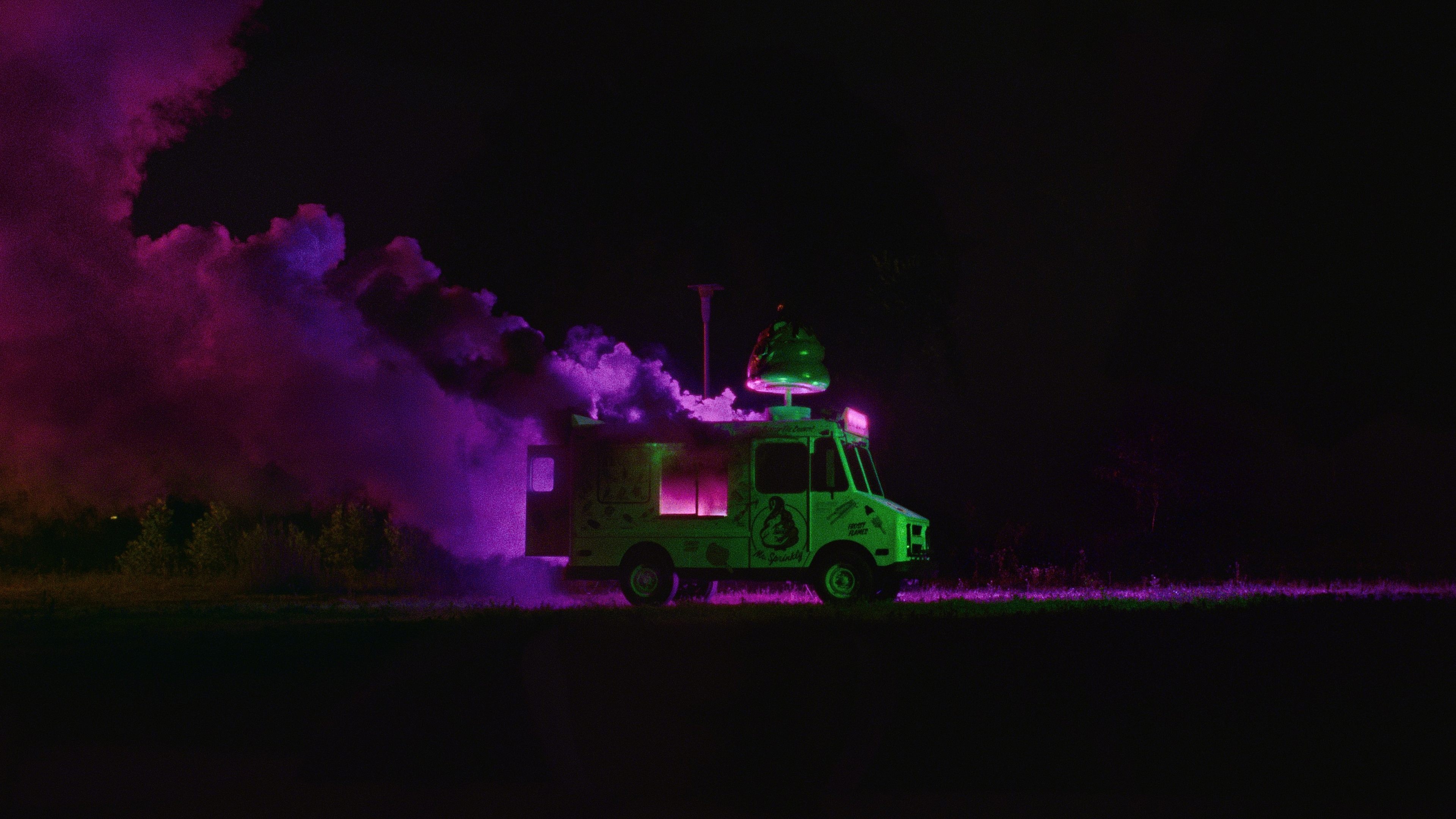
Mr. Sprinkly

Neighbor 1

Neighbor 2

Lance

Cade

Brenda's Friend

Sloppy Jane Band Member
After watching this piece of incoherent, unfocused rubbish, I would have much rather watched the TV glow instead. Writer-director Jane Schoenbrun’s incomprehensible smart horror offering is an absolute utter waste of time, not to mention the ticket price. This glacially paced story of two psychologically and emotionally troubled teens, Owen (Ian Forema) and Maddy (Brigitte Lundy-Paine), who bond over a cheesy late night 1990s young adult sci-fi/horror television series called The Pink Opaque struggles mightily to find its way. As Owen grows into an adult (Justice Smith), his cohort vanishes mysteriously when the TV series is abruptly cancelled, leaving him wondering what happened to her until she just as mysteriously reappears years later with a disjointed story that makes no sense from top to bottom. As the film’s narrator, Owen tries earnestly to explain, but his recounting of this experience is equally baffling, especially when he tells why Maddy has come back after her protracted absence. The result is an unintelligible tale that’s far from frightening (even metaphorically speaking) and ends up being a convoluted mix of 1990s teen angst, extended and inexplicably incorporated music videos, an exploration of sexual ambiguity, and a woefully wayward attempt at symbolically addressing issues related to personal disassociation and self-actualization. There are also numerous story elements and images that are included in the narrative that go undeveloped and unexplored. To its credit, the picture features a fine production design, intriguing cinematography, a good measure of campy comic relief (though not nearly enough of it) and a skillfully assembled soundtrack (handily this release’s best attribute). However, when a film’s musical guests receive greater billing than its cast members and the soundtrack ends up being its strongest asset, that doesn’t speak well about the production’s overall quality. To be honest, I get genuinely annoyed (and feel egregiously ripped off) when I leave the theater having screened a picture whose trailer and marketing seem to offer so much promise and end up failing miserably when it comes to delivering the goods, and that’s very much the case with this pretentious, sophomoric cinematic train wreck. Don’t waste your time or money on this one.
I was disappointed in the flow of the story in 'I Saw The TV Glow'. Despite this, the melancholy feel of the film is beautifully conveyed throughout, enhancing its themes effectively. The visuals are stunning, and the combination of top-tier editing and visual effects elevates the cinematography to an exceptional level. The film’s melancholic atmosphere is one of its strongest points. This pervasive mood adds depth to the narrative, making the emotional and thematic content more impactful. For example, scenes depicting the isolation and struggles of the characters are visually striking, with a muted color palette and hauntingly beautiful landscapes that mirror their inner turmoil. The layered storytelling warrants another viewing to fully appreciate the intricate details and symbolism woven into the film. The film also provides a profound look into the LGBTQIA+ community, offering perspectives that encourage empathy and understanding. After watching it, I felt compelled to have an open conversation with my sons about the importance of being able to talk openly about anything, assuring them of our unwavering support. This horror movie effectively portrays the harsh realities that no person should have to endure, making its social commentary both relevant and poignant. The direction and performances were lackluster. Their portrayals are emotionally charged and authentic, bringing a raw intensity to their characters. While Ian Foreman and Brigette Lundy-Paine deliver memorable performances, the supporting cast falls short. Justice Smith’s character, Owen, is particularly underwhelming. His character lacks depth and is only marginally more interesting in scenes with Lundy-Paine. The supporting characters are mostly forgettable, which diminishes the film's overall impact. The TV show set within the film, The Pink Opaque, and its antagonist, as well as the overall antagonist of the film, are clearly meant to be metaphorical. However, the vague nature of these elements, while potentially serving as a good analogy, ultimately hurts the story by leaving too many questions unanswered. A bit more backstory and clarity would have enriched the narrative and provided a stronger connection to the metaphorical themes. I Saw The TV Glow is a film with commendable visual and thematic depth but falters in its storytelling execution. The melancholy atmosphere, stunning visuals, and strong lead performances are highlights. The film is worth watching for its social commentary and emotional resonance, but it falls short of being a fully engaging cinematic experience.
Necessity and Style, lacking Substance ‘I Saw the TV Glow’ offers an important message that is evidently hitting the hearts of the people who need to hear it, and the beautiful visuals bath it in emotional colour. It would have been served with more depth, detail, and structure, but it does what it set out to do. If it doesn’t hit for you, you’re probably not the intended audience.
Told using a verity of storytelling techniques, this is a curious film that certainly has a potent point to make but somehow it just can't get there. It's all about the relationship between two folks on the periphery of society. "Owen" (Ian Foreman then Justice Smith) lives with his parents whilst "Maddy" (Brigette Lundy-Paine) abides with her indifferent mother. She's a few years older than he, and they initially bond over a television show called "Pink Opaque" that she has been watching for a few seasons, but it's on past his 10.15 bedtime. She makes it pretty clear that her sexual interests lie elsewhere but he, not remotely bothered, just wants to see the show. A sleepover starts the ball rolling on their enigmatic friendship that invites us to consider a range of issues surrounding sexual and gender identity, fluidity and the sometimes quite traumatic effects these can have on people emotionally and psychologically ill-equipped to deal with at a young age. The use of the television series is quite an effective conduit for the theme as it uses the super-natural to instil both an element of fear and an element of the ridiculous - especially the ice cream man and the totally non-menacing "Mr. Malevolent" whose purposes and dynamic evolve as the characters do throughout the narrative. Suddenly, she goes AWOL for ten years then returns to his life with questions to ask and to answer, but is she still the same person and are either of them any more at ease with whom they truly are? It has brief moments to lighten the mood, but for the most part it's quite an intense and slowly paced look at two characters that I just didn't feel I knew. I suspect this may resonate intensely with people dealing with gender identification complexities, but for the rest of us it pointed us in the right direction but then more or less abandons us to infill too much of the personalities of "Owen" and "Maddy" to fit our own expectations or aspirations for them. It's as if auteur Jane Schoenbrun has given us the edge of the jigsaw puzzle and left us to do the rest - without there necessarily being a right way to do it. It also has one or two goes at bringing things to a conclusion - or as much of one as we are to actually have, and that didn't really work for me. I didn't need "the end", but what we did get was a bit frail. It is an intriguing piece of cinema at times, but for me it lost it's way.
I was hoping this was a Helloween 3 remake. Way too much filler. Who needs to see bands performing? Monologues... It's deep but I wasn't buying. Hellish ending. Really cool shots. Creepy shots. Well shot.
Honestly? Not that good. Like I got the underlying metaphor of Owen being trans and that was cool, but there really wasn't that much substance to the film other than that. > I'll die if I stay here. I don't know how exactly, but I know it's true. Maybe there is more substance to it and I didn't realise because I was tired when I watched it. I don't know. I think I just expected more horror and more trans.
# Euphoric Sleepaways & Gender Terror ### Comparative Analysis of Jane Schoenbrun’s “I Saw the TV Glow” (2024) & “Teenage Sex and Death at Camp Miasma” (2026) In Jane Schoenbrun’s (they/them) sophomore feature, *I Saw the TV Glow* (2024), audiences are trapped in the Midnight Realm of the suburbs. This summer, viewers are transported to a slasher sleepaway camp daydream that distorts reality and fantasy. In both films, the protagonists immerse themselves in media as escapism and gender euphoria. This escape into a world of fantasy and screens allows them to disassociate from gendered expectations. While they share similarities, both films present audiences with starkly different fates; one existing in complacency and dysphoria, the other relishing the freedom of immersing in pleasure. *I Saw the TV Glow'*s protagonist, Owen (Justice Smith), felt an unbreakable tether to the fictional television series The Pink Opaque’s Isabel (Helena Howard). Watching The Pink Opaque*,* Owen saw glimpses of the life he could have had if he embraced his true self. In The Pink Opaque, he was once someone strong. Beautiful. And magical. When his former classmate, Maddy (Jack Haven), offers to help Owen transition from this life into the television series, Owen flees and never makes it to the season six premiere. Stuck with impending anxieties of manhood and mediocrity, Owen only sees the TV glow from within, never knowing what his life could have been if he followed Maddy. Schoenbrun offers an alternative narrative to their sophomore: immersing oneself in the life they have always felt an unshakeable belonging to. Camp Miasma— another fictionalized, canonical franchise from the mind of Jane Schoenbrun—was introduced to audiences through a sequence of memorabilia. Bobbleheads, trading cards, VHS tapes, costume displays, and sensationalized articles reveal Camp Miasma’s rise and fall as a problematic zombie IP. Our protagonist, Kris Williams (Hannah Einbinder; character pronouns she/they), helms a reimagining of Camp Miasma through a “woke” lens. Dodging snowballs upon entering the gas station, Kris snags their favorite candy off the racks. In this film, the gas station is a liminal space: both destination and journey. Outside the gas station, the children keep playing, flinging snowballs at each other. In the opening sequence of *I Saw the TV Glow*, Schoenbrun introduces audiences to the ephemeral nature of recess and play. In *I Saw the TV Glow,* Young Owen travels around the parachute in the gymnasium, reflecting his isolation despite being surrounded by peers. Shortly afterward, the parachute deflates as the camera abandons Young Owen. One unforeseen tragedy of growing up is realizing one day we won’t have recess anymore. Suddenly, expectations and responsibilities are placed on us, and we have to submit to predetermined roles. Being a child is innately a genderless period of many people’s lives. As kids, gender performance and sexual orientation do not define their identities. They exist and explore the world through play. These moments of play inform and shape our identities and the roles we accept as we age. In their interview with The Movie Podcast, hosted by Daniel and Shahbaz, Schoenbrun says they open and close *Camp Miasma* with children playing as a reminder of the mindset they needed while creating *Teenage Sex and Death at Camp Miasma.* By revisiting play throughout the film, Schoenbrun repurposes it from *I Saw the TV Glow* and invites viewers to find their film community and play alongside them throughout the viewing experience. Hence why one of the first shots we see before the title sequence is a POV, handheld shot of the film crew working on one of the Camp Miasma films. The film set is like a playground where the crew and Jane play together to make their stories real. The motif of play appears in many forms throughout *I Saw the TV Glow* (2024) and *Teenage Sex and Death at Camp Miasma* (2026). For instance, around the second act of *Camp Miasma*, Billy Presley (Gillian Anderson) reminds Kris that "it's all just a play. That’s why he \[Little Death, portrayed by Jack Haven\] built this place.” Billy’s reminder came shortly after Kris’s first sex scene in the movie. To relate sex and play together offers a lightheartedness that makes sex feel less detrimental for the protagonist and audiences who feel a similar blockage to accessing pleasure. This blockage to pleasure is not a unique experience, by any means. In fact, the link between horror, fear, and sex is undeniable. In French, the euphemism for orgasm is ‘la petite mort.’ La petite mort directly translates to ‘little death.’ The notion of death being related to the climax of sex is due to a couple of things. One, when you have truly amazing sex with a beautiful person, you forget about dying and feel infinite. Otherwise, as Jordan Peele once stated at the American Film Institute, death is the ultimate of tension and release. As someone feels their muscles tense and spasm, this involuntary bodily response can feel like death is creeping upon them if they subject their body to climax. Jane Schoenbrun’s characters always have access to pleasure and euphoria; however, as Billy Presley said, “if it gets too real, you can always turn it off.” Throughout *Camp Miasma*, Kris is presented with invitations and offerings. Audiences watch them navigate their cravings and urges, and the gazes of admiration they draw when watching Billy Presley in the original Camp Miasma and in reality. Naturally, Schoenbrun created a cinematic world where consent is the status quo. In *Camp Miasma*, consent is reimagined as chandeliers of gummy candies and drawers filled with Sour Patch Kids. The sweet temptation is always present, but it awaits the subject to reach in before indulging. The strain of gazing upon desire also appears in *I Saw the TV Glow* (2024). After inviting Owen to a sleepover to watch The Pink Opaque, Maddy soberly confides in Owen that “sometimes The Pink Opaque feels more real than real life.” For Maddy to announce her fractured sense of reality to Owen, she inadvertently admits that the life she wants to exist in only airs on the Young Adult Network. Maddy and Owen’s true identities are only fulfilled when the show is on. Owen said it himself, "It's not real if I don’t think about it.” Without thinking about or watching the show, their authentic selves don’t exist. This fragile reality between indulging in desire and submission to societal expectation is a threshold that breaks like the shell of a Gusher. Gooey and tough at first, until the artificial neon sticks to your teeth. That sweet flavor lingers, just like *Teenage Sex and Death at Camp Miasma* after viewing it for the first time*.* Whether it’s candy, orgasms, movies, fame, or friendship, Schoenbrun depicts a range of transitory delights in both projects. In doing so, Schoenbrun presents two different fates for people faced with their fleeting desires. In *I Saw the TV Glow,* Owen is a passive main character who is embarrassed of their love of The Pink Opaque. When he starts watching the show with Maddy, he doesn’t tell his parents because The Pink Opaque is “a show for girls.” By accepting this shame, Owen’s bliss appears only when the television is on and when he collects VHS tapes of the show from Maddy. Throughout the film, Owen is reminded in chalk letters that "there's still time.” Meaning, there’s still time for him to become Isabel and rewrite his destiny. Again, when Maddy offers to help Owen transition from this life into the television series, Owen chooses to be stuck in the suburbs and manhood. In contrast, Kris has an unabashed love for the Camp Miasma series. Kris consciously approaches Billy Presley with the request of showing them how to be the girl from Camp Miasma, affirming, “That look in your eye. I don’t just want to watch it. I don’t want to just film it and put it in a movie. I want to experience it too.” By making this request, the winter snow waned away, and Little Death rose. We’ve returned to Camp Miasma. In both worlds, a sleepaway camp is present. Tara (Lindsey “Snail Mail” Jordan) and Isabel from The Pink Opaque meet at the campgrounds while Camp Miasma is set entirely at a sleepaway camp. Despite this similarity, Schoenbrun portrays the two camps very differently. The sleepaway camp from The Pink Opaque is this unattainable, aspirational plane for Owen and Maddy. He’s never a part of this world, despite being unable to part with it. Camp Miasma, by contrast, is an accessible campground littered with memorabilia. Its history of violence towards trans identities is evident, while it has strangely become the playpen for Little Death, the trans child who died in the lake and seeks wild justice vis-à-vis revenge. By having Owen and Kris escape into summer camps of fantasy and screens, they disassociate from gendered expectations. From the *TV Glow'*s "there's still time” to *Camp Miasma'*s freezing of time, both present the ultimate fantasy—enough time to savor the moment. Schoenbrun further develops their filmmaking language of transient metaphors and pop culture ephemera by contrasting their protagonists' fates to uncover a philosophy true to their own: Audiences must consume the experience like candy without letting it consume them. *Enjoyed this review? Subscribe to my Substack (Snowy Reviews, by Yasmin) and give me a follow (@yasminthewriter) on Letterboxd, and see what I review next!*
May 3, 2024
Owen
Maddy
Young Owen
Isabel
Tara
Brenda
Frank
Dave
Amanda / Mr. Melancholy / Marco / Evil Clown
Polo
Johnny Link's Mom
Mr. Sprinkly
Neighbor 1
Neighbor 2
Lance
Cade
Brenda's Friend
Sloppy Jane Band Member
After watching this piece of incoherent, unfocused rubbish, I would have much rather watched the TV glow instead. Writer-director Jane Schoenbrun’s incomprehensible smart horror offering is an absolute utter waste of time, not to mention the ticket price. This glacially paced story of two psychologically and emotionally troubled teens, Owen (Ian Forema) and Maddy (Brigitte Lundy-Paine), who bond over a cheesy late night 1990s young adult sci-fi/horror television series called The Pink Opaque struggles mightily to find its way. As Owen grows into an adult (Justice Smith), his cohort vanishes mysteriously when the TV series is abruptly cancelled, leaving him wondering what happened to her until she just as mysteriously reappears years later with a disjointed story that makes no sense from top to bottom. As the film’s narrator, Owen tries earnestly to explain, but his recounting of this experience is equally baffling, especially when he tells why Maddy has come back after her protracted absence. The result is an unintelligible tale that’s far from frightening (even metaphorically speaking) and ends up being a convoluted mix of 1990s teen angst, extended and inexplicably incorporated music videos, an exploration of sexual ambiguity, and a woefully wayward attempt at symbolically addressing issues related to personal disassociation and self-actualization. There are also numerous story elements and images that are included in the narrative that go undeveloped and unexplored. To its credit, the picture features a fine production design, intriguing cinematography, a good measure of campy comic relief (though not nearly enough of it) and a skillfully assembled soundtrack (handily this release’s best attribute). However, when a film’s musical guests receive greater billing than its cast members and the soundtrack ends up being its strongest asset, that doesn’t speak well about the production’s overall quality. To be honest, I get genuinely annoyed (and feel egregiously ripped off) when I leave the theater having screened a picture whose trailer and marketing seem to offer so much promise and end up failing miserably when it comes to delivering the goods, and that’s very much the case with this pretentious, sophomoric cinematic train wreck. Don’t waste your time or money on this one.
I was disappointed in the flow of the story in 'I Saw The TV Glow'. Despite this, the melancholy feel of the film is beautifully conveyed throughout, enhancing its themes effectively. The visuals are stunning, and the combination of top-tier editing and visual effects elevates the cinematography to an exceptional level. The film’s melancholic atmosphere is one of its strongest points. This pervasive mood adds depth to the narrative, making the emotional and thematic content more impactful. For example, scenes depicting the isolation and struggles of the characters are visually striking, with a muted color palette and hauntingly beautiful landscapes that mirror their inner turmoil. The layered storytelling warrants another viewing to fully appreciate the intricate details and symbolism woven into the film. The film also provides a profound look into the LGBTQIA+ community, offering perspectives that encourage empathy and understanding. After watching it, I felt compelled to have an open conversation with my sons about the importance of being able to talk openly about anything, assuring them of our unwavering support. This horror movie effectively portrays the harsh realities that no person should have to endure, making its social commentary both relevant and poignant. The direction and performances were lackluster. Their portrayals are emotionally charged and authentic, bringing a raw intensity to their characters. While Ian Foreman and Brigette Lundy-Paine deliver memorable performances, the supporting cast falls short. Justice Smith’s character, Owen, is particularly underwhelming. His character lacks depth and is only marginally more interesting in scenes with Lundy-Paine. The supporting characters are mostly forgettable, which diminishes the film's overall impact. The TV show set within the film, The Pink Opaque, and its antagonist, as well as the overall antagonist of the film, are clearly meant to be metaphorical. However, the vague nature of these elements, while potentially serving as a good analogy, ultimately hurts the story by leaving too many questions unanswered. A bit more backstory and clarity would have enriched the narrative and provided a stronger connection to the metaphorical themes. I Saw The TV Glow is a film with commendable visual and thematic depth but falters in its storytelling execution. The melancholy atmosphere, stunning visuals, and strong lead performances are highlights. The film is worth watching for its social commentary and emotional resonance, but it falls short of being a fully engaging cinematic experience.
Necessity and Style, lacking Substance ‘I Saw the TV Glow’ offers an important message that is evidently hitting the hearts of the people who need to hear it, and the beautiful visuals bath it in emotional colour. It would have been served with more depth, detail, and structure, but it does what it set out to do. If it doesn’t hit for you, you’re probably not the intended audience.
Told using a verity of storytelling techniques, this is a curious film that certainly has a potent point to make but somehow it just can't get there. It's all about the relationship between two folks on the periphery of society. "Owen" (Ian Foreman then Justice Smith) lives with his parents whilst "Maddy" (Brigette Lundy-Paine) abides with her indifferent mother. She's a few years older than he, and they initially bond over a television show called "Pink Opaque" that she has been watching for a few seasons, but it's on past his 10.15 bedtime. She makes it pretty clear that her sexual interests lie elsewhere but he, not remotely bothered, just wants to see the show. A sleepover starts the ball rolling on their enigmatic friendship that invites us to consider a range of issues surrounding sexual and gender identity, fluidity and the sometimes quite traumatic effects these can have on people emotionally and psychologically ill-equipped to deal with at a young age. The use of the television series is quite an effective conduit for the theme as it uses the super-natural to instil both an element of fear and an element of the ridiculous - especially the ice cream man and the totally non-menacing "Mr. Malevolent" whose purposes and dynamic evolve as the characters do throughout the narrative. Suddenly, she goes AWOL for ten years then returns to his life with questions to ask and to answer, but is she still the same person and are either of them any more at ease with whom they truly are? It has brief moments to lighten the mood, but for the most part it's quite an intense and slowly paced look at two characters that I just didn't feel I knew. I suspect this may resonate intensely with people dealing with gender identification complexities, but for the rest of us it pointed us in the right direction but then more or less abandons us to infill too much of the personalities of "Owen" and "Maddy" to fit our own expectations or aspirations for them. It's as if auteur Jane Schoenbrun has given us the edge of the jigsaw puzzle and left us to do the rest - without there necessarily being a right way to do it. It also has one or two goes at bringing things to a conclusion - or as much of one as we are to actually have, and that didn't really work for me. I didn't need "the end", but what we did get was a bit frail. It is an intriguing piece of cinema at times, but for me it lost it's way.
I was hoping this was a Helloween 3 remake. Way too much filler. Who needs to see bands performing? Monologues... It's deep but I wasn't buying. Hellish ending. Really cool shots. Creepy shots. Well shot.
Honestly? Not that good. Like I got the underlying metaphor of Owen being trans and that was cool, but there really wasn't that much substance to the film other than that. > I'll die if I stay here. I don't know how exactly, but I know it's true. Maybe there is more substance to it and I didn't realise because I was tired when I watched it. I don't know. I think I just expected more horror and more trans.
# Euphoric Sleepaways & Gender Terror ### Comparative Analysis of Jane Schoenbrun’s “I Saw the TV Glow” (2024) & “Teenage Sex and Death at Camp Miasma” (2026) In Jane Schoenbrun’s (they/them) sophomore feature, *I Saw the TV Glow* (2024), audiences are trapped in the Midnight Realm of the suburbs. This summer, viewers are transported to a slasher sleepaway camp daydream that distorts reality and fantasy. In both films, the protagonists immerse themselves in media as escapism and gender euphoria. This escape into a world of fantasy and screens allows them to disassociate from gendered expectations. While they share similarities, both films present audiences with starkly different fates; one existing in complacency and dysphoria, the other relishing the freedom of immersing in pleasure. *I Saw the TV Glow'*s protagonist, Owen (Justice Smith), felt an unbreakable tether to the fictional television series The Pink Opaque’s Isabel (Helena Howard). Watching The Pink Opaque*,* Owen saw glimpses of the life he could have had if he embraced his true self. In The Pink Opaque, he was once someone strong. Beautiful. And magical. When his former classmate, Maddy (Jack Haven), offers to help Owen transition from this life into the television series, Owen flees and never makes it to the season six premiere. Stuck with impending anxieties of manhood and mediocrity, Owen only sees the TV glow from within, never knowing what his life could have been if he followed Maddy. Schoenbrun offers an alternative narrative to their sophomore: immersing oneself in the life they have always felt an unshakeable belonging to. Camp Miasma— another fictionalized, canonical franchise from the mind of Jane Schoenbrun—was introduced to audiences through a sequence of memorabilia. Bobbleheads, trading cards, VHS tapes, costume displays, and sensationalized articles reveal Camp Miasma’s rise and fall as a problematic zombie IP. Our protagonist, Kris Williams (Hannah Einbinder; character pronouns she/they), helms a reimagining of Camp Miasma through a “woke” lens. Dodging snowballs upon entering the gas station, Kris snags their favorite candy off the racks. In this film, the gas station is a liminal space: both destination and journey. Outside the gas station, the children keep playing, flinging snowballs at each other. In the opening sequence of *I Saw the TV Glow*, Schoenbrun introduces audiences to the ephemeral nature of recess and play. In *I Saw the TV Glow,* Young Owen travels around the parachute in the gymnasium, reflecting his isolation despite being surrounded by peers. Shortly afterward, the parachute deflates as the camera abandons Young Owen. One unforeseen tragedy of growing up is realizing one day we won’t have recess anymore. Suddenly, expectations and responsibilities are placed on us, and we have to submit to predetermined roles. Being a child is innately a genderless period of many people’s lives. As kids, gender performance and sexual orientation do not define their identities. They exist and explore the world through play. These moments of play inform and shape our identities and the roles we accept as we age. In their interview with The Movie Podcast, hosted by Daniel and Shahbaz, Schoenbrun says they open and close *Camp Miasma* with children playing as a reminder of the mindset they needed while creating *Teenage Sex and Death at Camp Miasma.* By revisiting play throughout the film, Schoenbrun repurposes it from *I Saw the TV Glow* and invites viewers to find their film community and play alongside them throughout the viewing experience. Hence why one of the first shots we see before the title sequence is a POV, handheld shot of the film crew working on one of the Camp Miasma films. The film set is like a playground where the crew and Jane play together to make their stories real. The motif of play appears in many forms throughout *I Saw the TV Glow* (2024) and *Teenage Sex and Death at Camp Miasma* (2026). For instance, around the second act of *Camp Miasma*, Billy Presley (Gillian Anderson) reminds Kris that "it's all just a play. That’s why he \[Little Death, portrayed by Jack Haven\] built this place.” Billy’s reminder came shortly after Kris’s first sex scene in the movie. To relate sex and play together offers a lightheartedness that makes sex feel less detrimental for the protagonist and audiences who feel a similar blockage to accessing pleasure. This blockage to pleasure is not a unique experience, by any means. In fact, the link between horror, fear, and sex is undeniable. In French, the euphemism for orgasm is ‘la petite mort.’ La petite mort directly translates to ‘little death.’ The notion of death being related to the climax of sex is due to a couple of things. One, when you have truly amazing sex with a beautiful person, you forget about dying and feel infinite. Otherwise, as Jordan Peele once stated at the American Film Institute, death is the ultimate of tension and release. As someone feels their muscles tense and spasm, this involuntary bodily response can feel like death is creeping upon them if they subject their body to climax. Jane Schoenbrun’s characters always have access to pleasure and euphoria; however, as Billy Presley said, “if it gets too real, you can always turn it off.” Throughout *Camp Miasma*, Kris is presented with invitations and offerings. Audiences watch them navigate their cravings and urges, and the gazes of admiration they draw when watching Billy Presley in the original Camp Miasma and in reality. Naturally, Schoenbrun created a cinematic world where consent is the status quo. In *Camp Miasma*, consent is reimagined as chandeliers of gummy candies and drawers filled with Sour Patch Kids. The sweet temptation is always present, but it awaits the subject to reach in before indulging. The strain of gazing upon desire also appears in *I Saw the TV Glow* (2024). After inviting Owen to a sleepover to watch The Pink Opaque, Maddy soberly confides in Owen that “sometimes The Pink Opaque feels more real than real life.” For Maddy to announce her fractured sense of reality to Owen, she inadvertently admits that the life she wants to exist in only airs on the Young Adult Network. Maddy and Owen’s true identities are only fulfilled when the show is on. Owen said it himself, "It's not real if I don’t think about it.” Without thinking about or watching the show, their authentic selves don’t exist. This fragile reality between indulging in desire and submission to societal expectation is a threshold that breaks like the shell of a Gusher. Gooey and tough at first, until the artificial neon sticks to your teeth. That sweet flavor lingers, just like *Teenage Sex and Death at Camp Miasma* after viewing it for the first time*.* Whether it’s candy, orgasms, movies, fame, or friendship, Schoenbrun depicts a range of transitory delights in both projects. In doing so, Schoenbrun presents two different fates for people faced with their fleeting desires. In *I Saw the TV Glow,* Owen is a passive main character who is embarrassed of their love of The Pink Opaque. When he starts watching the show with Maddy, he doesn’t tell his parents because The Pink Opaque is “a show for girls.” By accepting this shame, Owen’s bliss appears only when the television is on and when he collects VHS tapes of the show from Maddy. Throughout the film, Owen is reminded in chalk letters that "there's still time.” Meaning, there’s still time for him to become Isabel and rewrite his destiny. Again, when Maddy offers to help Owen transition from this life into the television series, Owen chooses to be stuck in the suburbs and manhood. In contrast, Kris has an unabashed love for the Camp Miasma series. Kris consciously approaches Billy Presley with the request of showing them how to be the girl from Camp Miasma, affirming, “That look in your eye. I don’t just want to watch it. I don’t want to just film it and put it in a movie. I want to experience it too.” By making this request, the winter snow waned away, and Little Death rose. We’ve returned to Camp Miasma. In both worlds, a sleepaway camp is present. Tara (Lindsey “Snail Mail” Jordan) and Isabel from The Pink Opaque meet at the campgrounds while Camp Miasma is set entirely at a sleepaway camp. Despite this similarity, Schoenbrun portrays the two camps very differently. The sleepaway camp from The Pink Opaque is this unattainable, aspirational plane for Owen and Maddy. He’s never a part of this world, despite being unable to part with it. Camp Miasma, by contrast, is an accessible campground littered with memorabilia. Its history of violence towards trans identities is evident, while it has strangely become the playpen for Little Death, the trans child who died in the lake and seeks wild justice vis-à-vis revenge. By having Owen and Kris escape into summer camps of fantasy and screens, they disassociate from gendered expectations. From the *TV Glow'*s "there's still time” to *Camp Miasma'*s freezing of time, both present the ultimate fantasy—enough time to savor the moment. Schoenbrun further develops their filmmaking language of transient metaphors and pop culture ephemera by contrasting their protagonists' fates to uncover a philosophy true to their own: Audiences must consume the experience like candy without letting it consume them. *Enjoyed this review? Subscribe to my Substack (Snowy Reviews, by Yasmin) and give me a follow (@yasminthewriter) on Letterboxd, and see what I review next!*

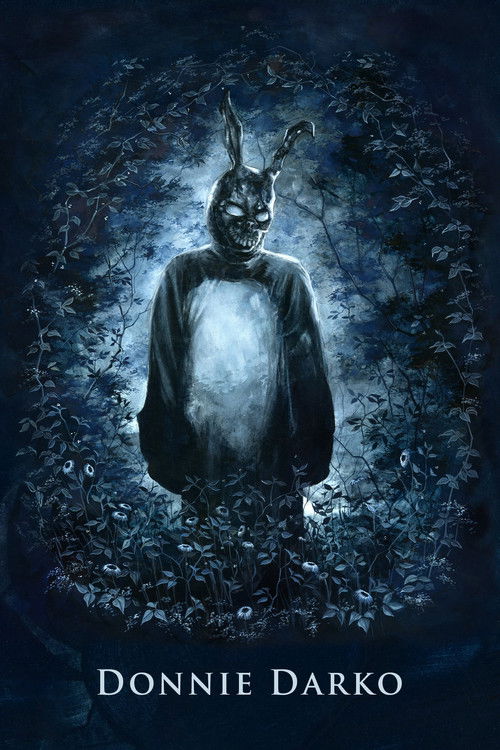
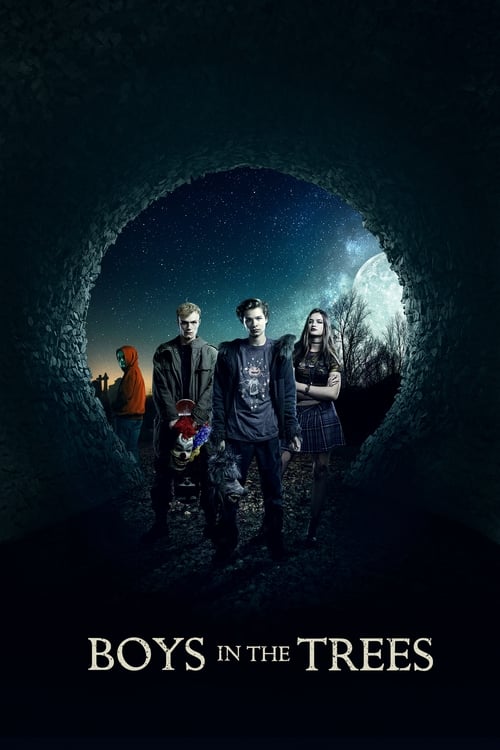
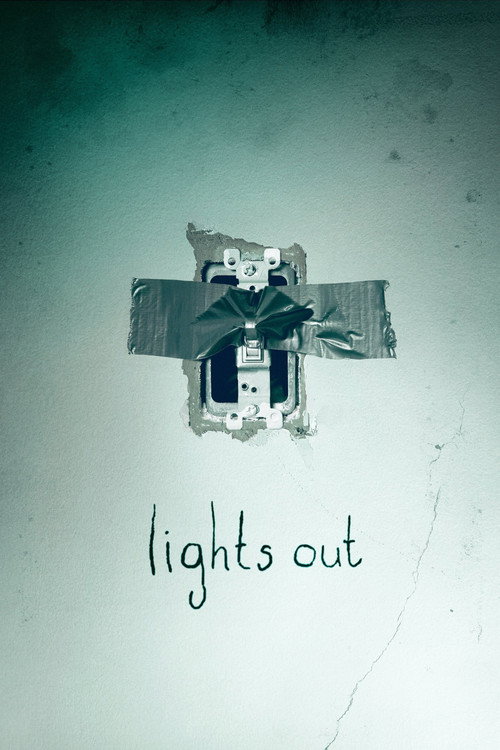
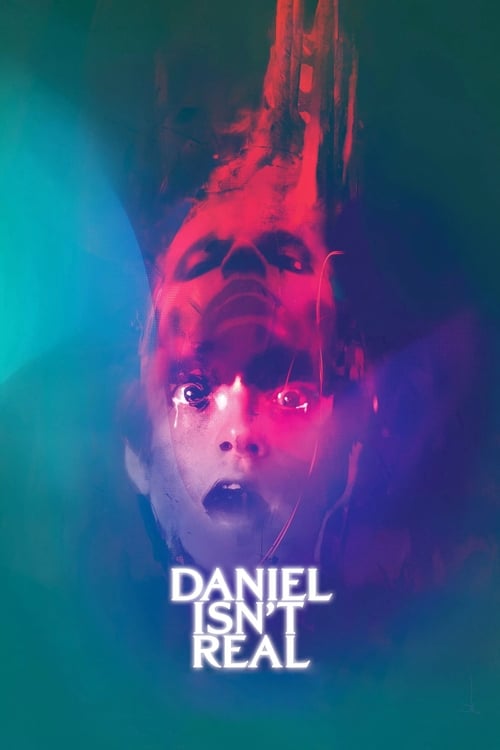
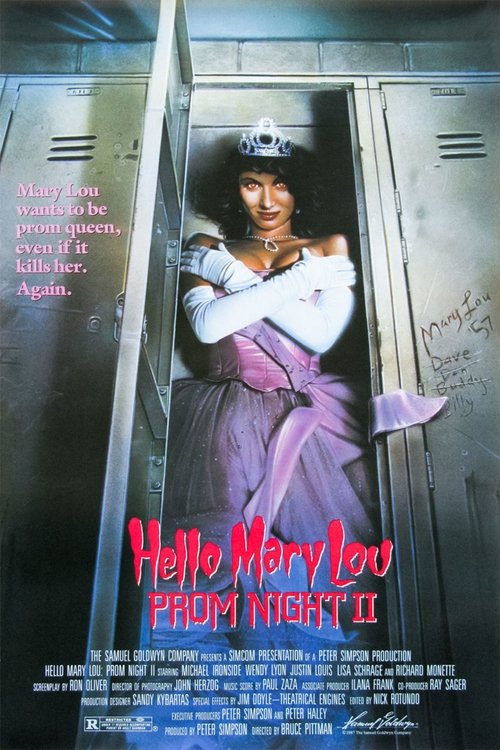
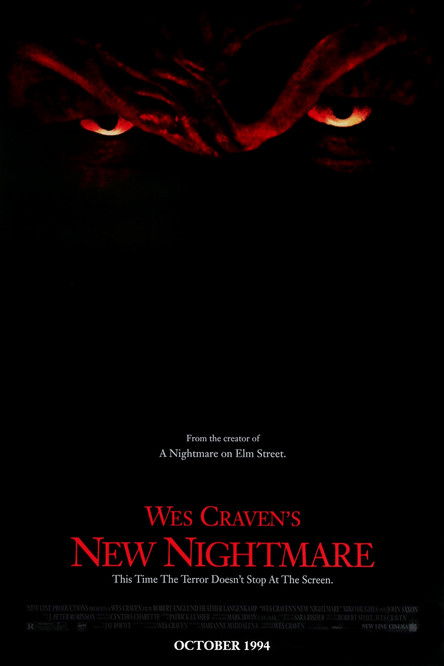
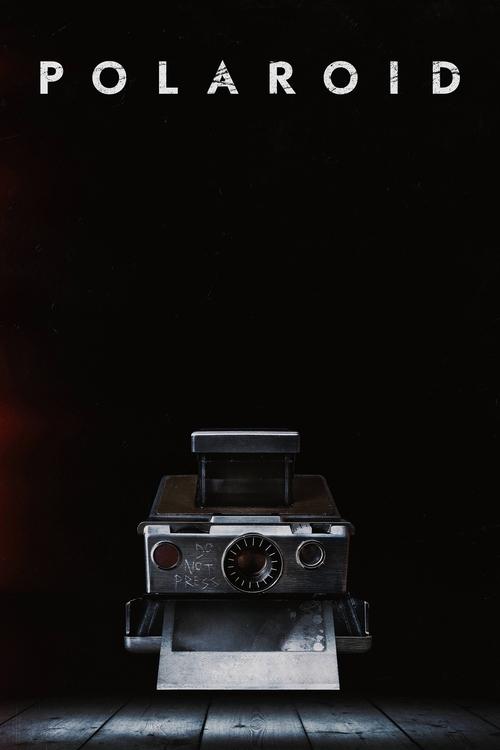
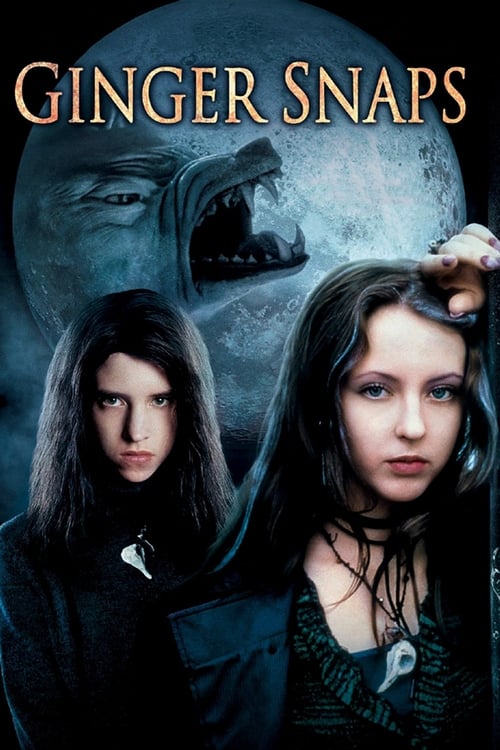
Similar to I Saw the TV Glow