•
•
•
•
•
•
•
•
•
•
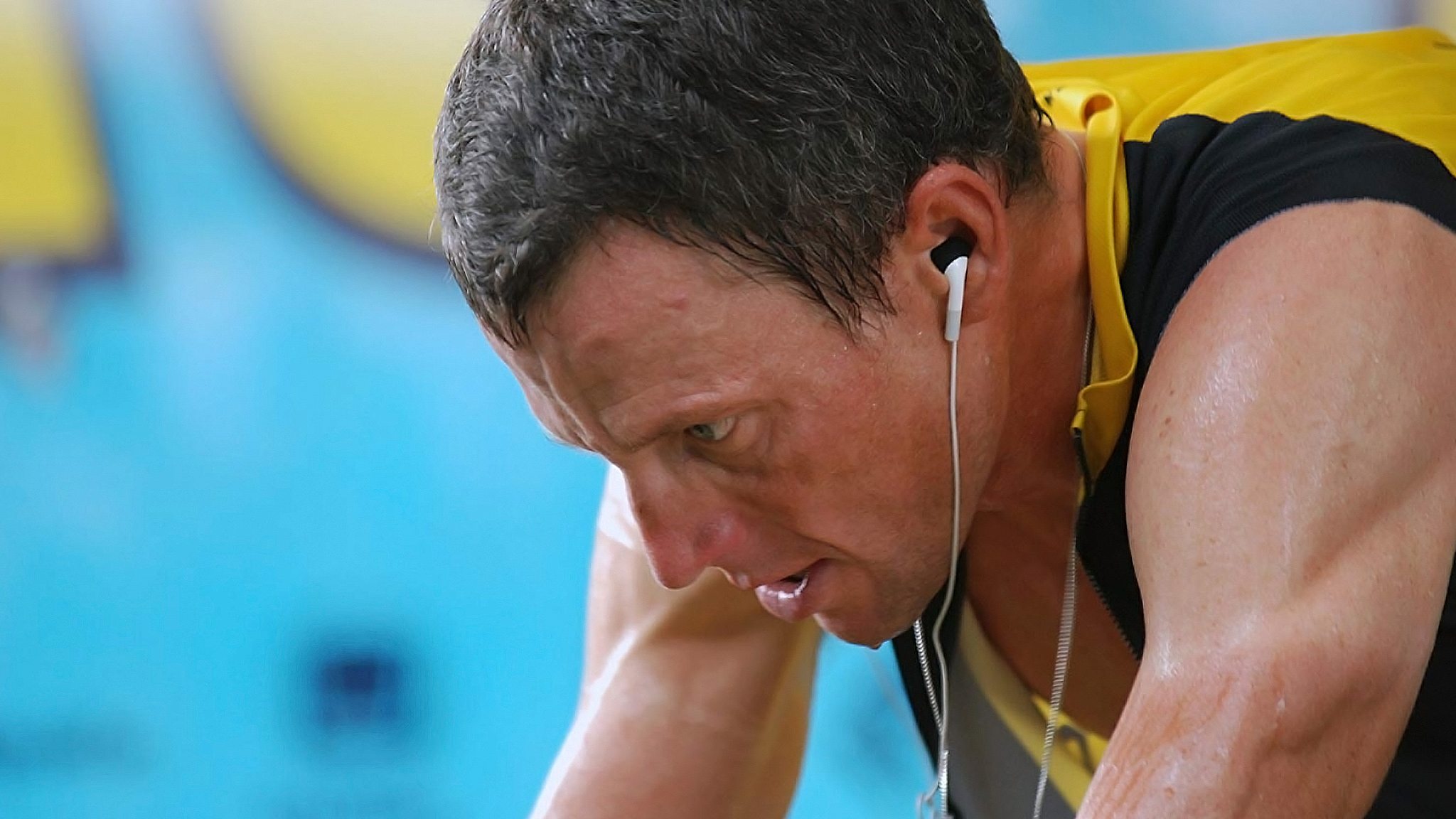
In 2009, Alex Gibney was hired to make a film about Lance Armstrong's comeback to cycling. The project was shelved when the doping scandal erupted, and re-opened after Armstrong's confession. The Armstrong Lie picks up in 2013 and presents a riveting, insider's view of the unraveling of one of the most extraordinary stories in the history of sports. As Lance Armstrong says himself, "I didn't live a lot of lies, but I lived one big one."
Self
Self
Self
Self (archive footage)

Self (archive footage)

Self (archive footage)
Self (archive footage)
Self - Narrator
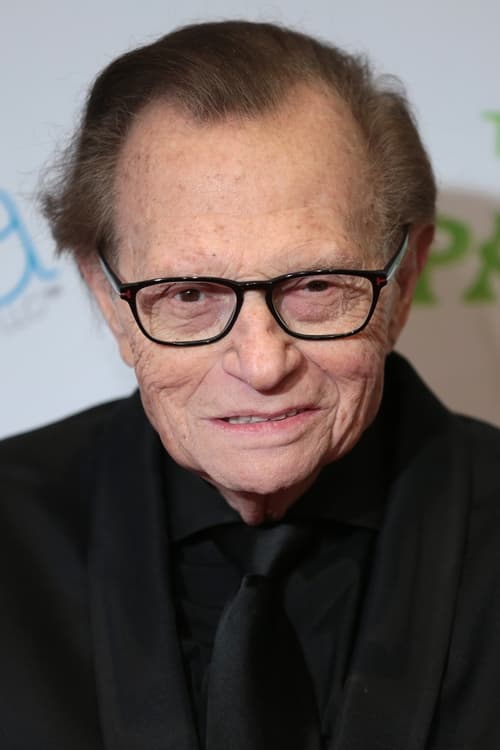
Self (archive footage)
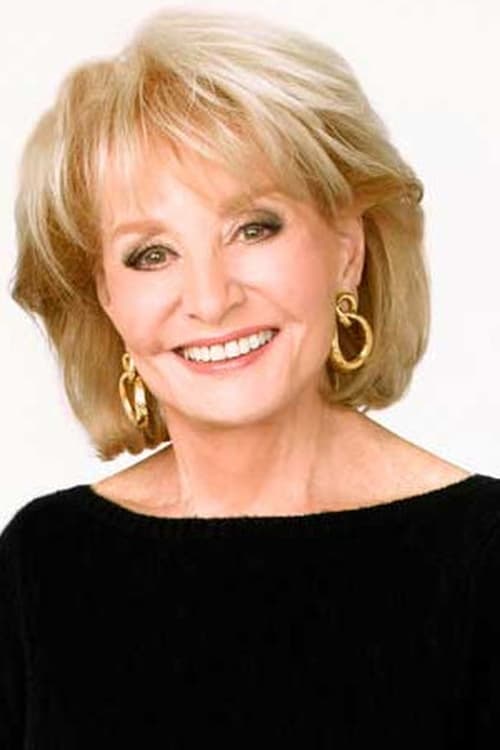
Self (archive footage)
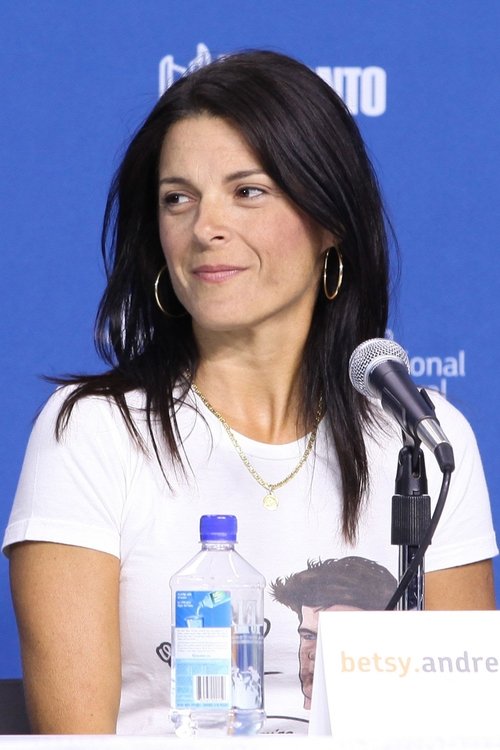
There must have been something of the poacher-cum-gamekeeper with Alex Gibney's role on this film. Originally employed to craft something far more celebratory about this seven time Tour de France winner whom he much respected in 2009, he found himself tasked - still by Armstrong - with making something altogether different. Now we are to watch a critical dissection of a legend. A liar, a cheat and a fraudster or just a mortal under enormous amounts of pressure who reacted as any of us might? An addict for success, adrenalin, control? There's not so much cycling here - perhaps ASO and/or the UCI didn't want to licence too much archive to it, but what there certainly are are interviews a-plenty with people who allegedly knew all along about his performance-enhancing habits but who either kept schtum at the time or risked his wrath by speaking out and never working in the sport again. It's another documentary that illustrates just how ineffective WADA is when it comes to policing drugs in sport and at how effective the pharmacists are at finding new substances and disguising them when lucrative paydays are never far away. Betsy and Frankie Andreu probably provide the most damning elements of the case for the prosecution; that is except for the man himself who even now still looks at the camera, straight-faced, and expects to be believed as if butter wouldn't melt. Perhaps because of the global outpouring of sympathy focused on this man when he had cancer, it seems almost inconceivable that he could have been habitually lying to everyone and been so disrespectful of those he inspired, motivated and who ultimately helped him pay for his home in Aspen and after the first hour I found it quite difficult to look at Armstrong without disdain. As a piece of cinema, this isn't especially provocative though, and if you were at all interested in cycling and/or read the journalism around the end of the naughties, then this doesn't really tell us anything that we didn't ready know. It is interesting to watch Gibney's approach to his subject matter alter as the truth comes out, but the film is far too long and in the end serves more like an attempt to analyse the exploitation of the willing and the media that it points any smoking guns at him or an establishment who largely didn't take part.
September 8, 2013
Self
Self
Self
Self (archive footage)
Self (archive footage)
Self (archive footage)
Self (archive footage)
Self - Narrator
Self (archive footage)
Self (archive footage)
There must have been something of the poacher-cum-gamekeeper with Alex Gibney's role on this film. Originally employed to craft something far more celebratory about this seven time Tour de France winner whom he much respected in 2009, he found himself tasked - still by Armstrong - with making something altogether different. Now we are to watch a critical dissection of a legend. A liar, a cheat and a fraudster or just a mortal under enormous amounts of pressure who reacted as any of us might? An addict for success, adrenalin, control? There's not so much cycling here - perhaps ASO and/or the UCI didn't want to licence too much archive to it, but what there certainly are are interviews a-plenty with people who allegedly knew all along about his performance-enhancing habits but who either kept schtum at the time or risked his wrath by speaking out and never working in the sport again. It's another documentary that illustrates just how ineffective WADA is when it comes to policing drugs in sport and at how effective the pharmacists are at finding new substances and disguising them when lucrative paydays are never far away. Betsy and Frankie Andreu probably provide the most damning elements of the case for the prosecution; that is except for the man himself who even now still looks at the camera, straight-faced, and expects to be believed as if butter wouldn't melt. Perhaps because of the global outpouring of sympathy focused on this man when he had cancer, it seems almost inconceivable that he could have been habitually lying to everyone and been so disrespectful of those he inspired, motivated and who ultimately helped him pay for his home in Aspen and after the first hour I found it quite difficult to look at Armstrong without disdain. As a piece of cinema, this isn't especially provocative though, and if you were at all interested in cycling and/or read the journalism around the end of the naughties, then this doesn't really tell us anything that we didn't ready know. It is interesting to watch Gibney's approach to his subject matter alter as the truth comes out, but the film is far too long and in the end serves more like an attempt to analyse the exploitation of the willing and the media that it points any smoking guns at him or an establishment who largely didn't take part.
Similar to The Armstrong Lie