•
•
•
•
•
•
•
•
•
•
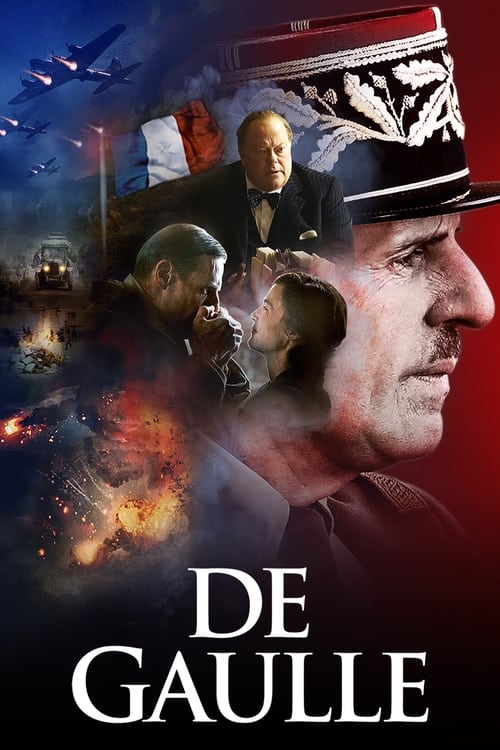
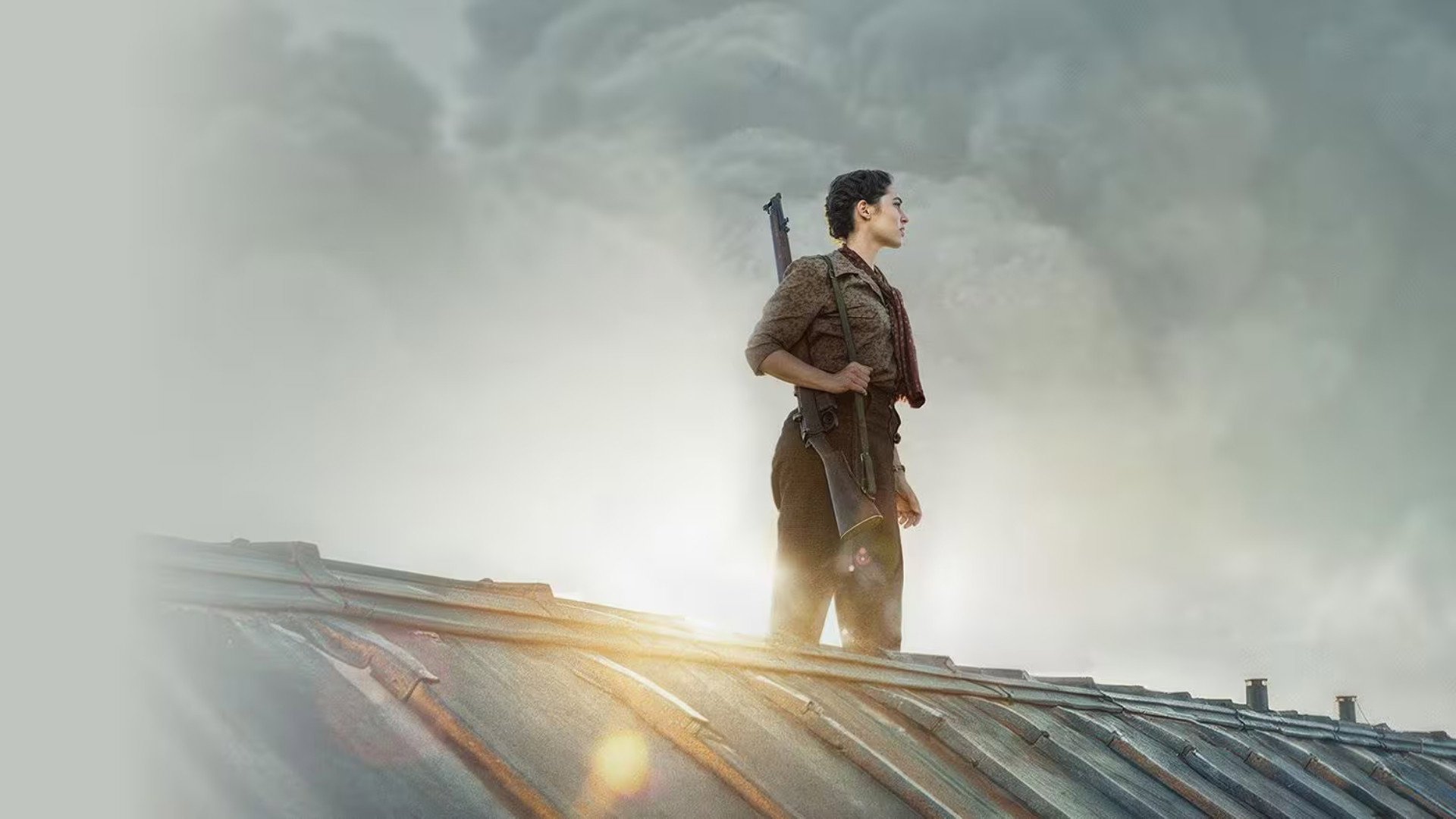
Part two of a two-part biopic following French army officer Charles De Gaulle's life and political commitment between 1940 and 1945, and trace his development towards a political career.

Charles de Gaulle
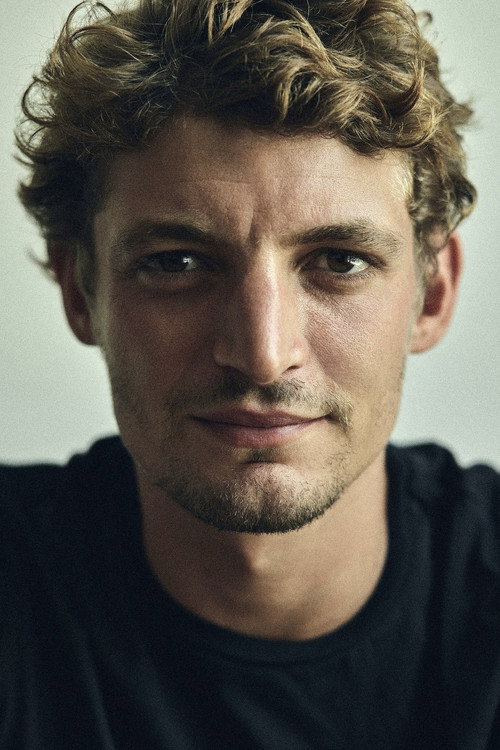
Général Leclerc

Henri Giraud
Blazej

Livia
Winston Churchill
Courcel
Anthony Eden

René Pleven

Georges Bidault

Spears

Susan Travers
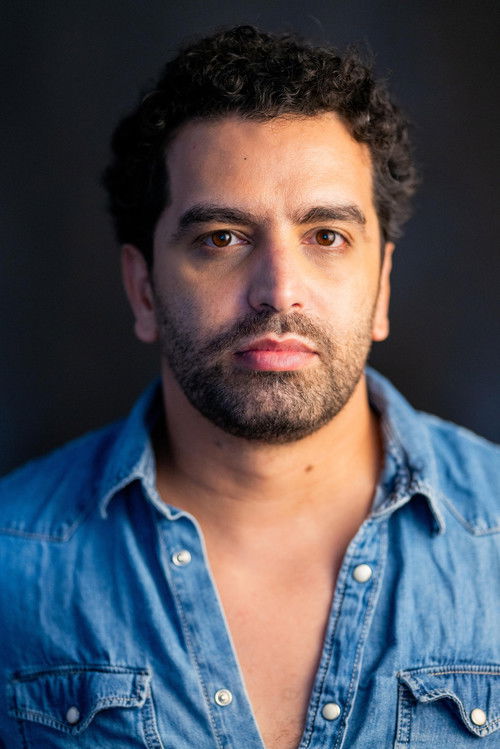
Koenig Soldier
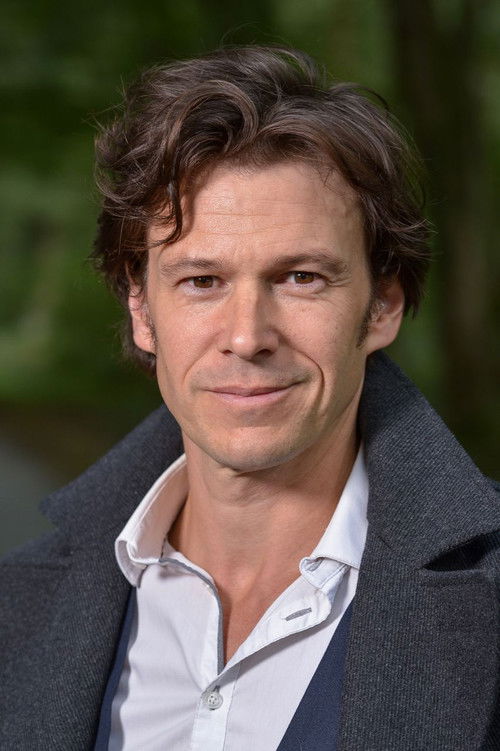
Préfet Amgot

Acting
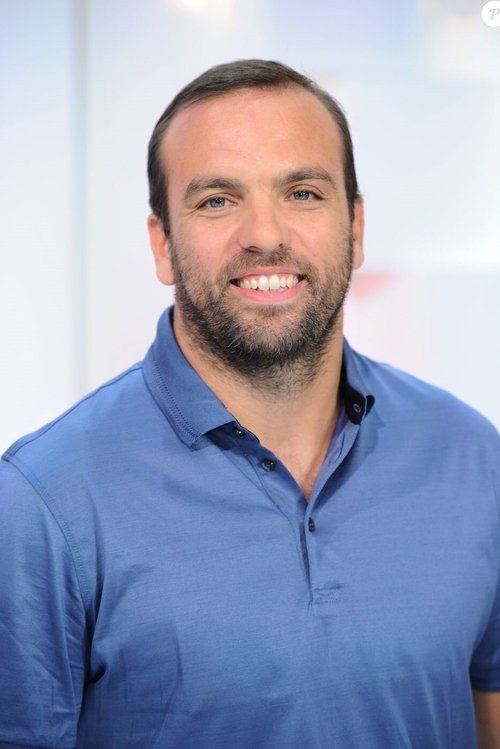
Raymond Dronne
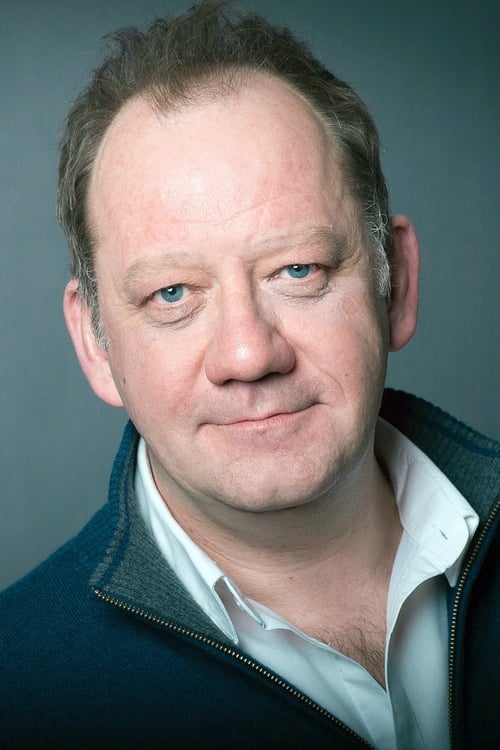
Acting

Colonel Passy

Jean Moulin/Rex
Klaus Barbie
With Darlan having been assassinated, and with the Nazis now firmly in control of Paris, Charles De Gaulle (Simon Abkarian) is operating out of a London in which he feels increasingly sidelined and imprisoned. Churchill (Sir Simon Russell Beale) is trying to coax him down a more acquiescing path with new military leader General Giraud (Thierry Lhermitte) whilst the distant President Roosevelt (Campbell Scott) is determined to see him marginalised. His only really allies are "Rex" (Félix Kysyl) who treads a very precarious line at home liaising with the resistance and the recently promoted General Leclerc (Niels Schneider) who is leading a small but courageous Free French force in Africa. De Gaulle is now fighting on multiple fronts against allies who don't trust him an against his own countrymen whose officially recognised government sees no role for him at all. His challenge is now to insert himself into the politics and logistics of the forthcoming Normandy landings and to ensure that whatever emerges once the enemy has been driven out is still, proudly, French. Whilst I didn't enjoy this so much as the first part of this biopic of this ultimate patriot, it does quite interestingly challenge some of the established truths about the nature of the allies and about the relationships between the USA, the UK and France. The former is quite uncharacteristically vilified, with Roosevelt being portrayed as a man seeing France as defeated, humiliated and ripe for a sort of latter-day "protectorate" whilst treating Churchill as something more akin to a pet than an ally. He holds most of the cards and he knows it, sort of thing. Sir Simon's Churchill doesn't feature so much here either, and I felt the film missed some of the dynamism of the friend/foe confrontations between him and his independently-minded French counterpart, especially as he began to look more like an American poodle than an inspiring leader. Abkarian, though, successfully builds on his established characterisation and though never exactly likeable, he presents us with a plausible depiction of a soldier determined to stick to his guns - even when he has precious few - and avoid complicity with those he sees as the surrender merchants who brought his country to it's knees. It's not all focussed on the committee rooms, though, and Schneider delivers quite convincingly as the only general France has that is actually doing any fighting, and the combat scenarios in the desert against Rommel and his tanks are convincingly presented. Kysyl is a little underused to illustrate the dangerous work being carried out at home, but he still gives us a plausible indication of the difficulties faced trying to galvanise the parliamentarians into taking an unified stance in the face of their own fears and self-imposed dogmatic differences - all against a threatening backdrop of Gestapo ruthlessness. By the end, I reckon that less actually happened with this instalment and I did wonder if it could have been more readily abridged into the earlier edition without compromising too much of the innovative take on his history, and with this sequel focussing more on his post-war achievements? It's still a compelling watch that comes from a perspective rarely seen in the English-speaking world, and with big screen photography and an eye for the detail in both production design and personality, proves to be quite provocative.
June 26, 2026
Charles de Gaulle
Général Leclerc
Henri Giraud
Blazej
Livia
Winston Churchill
Courcel
Anthony Eden
René Pleven
Georges Bidault
Spears
Susan Travers
Koenig Soldier
Préfet Amgot
Acting
Raymond Dronne
Acting
Colonel Passy
Jean Moulin/Rex
Klaus Barbie
With Darlan having been assassinated, and with the Nazis now firmly in control of Paris, Charles De Gaulle (Simon Abkarian) is operating out of a London in which he feels increasingly sidelined and imprisoned. Churchill (Sir Simon Russell Beale) is trying to coax him down a more acquiescing path with new military leader General Giraud (Thierry Lhermitte) whilst the distant President Roosevelt (Campbell Scott) is determined to see him marginalised. His only really allies are "Rex" (Félix Kysyl) who treads a very precarious line at home liaising with the resistance and the recently promoted General Leclerc (Niels Schneider) who is leading a small but courageous Free French force in Africa. De Gaulle is now fighting on multiple fronts against allies who don't trust him an against his own countrymen whose officially recognised government sees no role for him at all. His challenge is now to insert himself into the politics and logistics of the forthcoming Normandy landings and to ensure that whatever emerges once the enemy has been driven out is still, proudly, French. Whilst I didn't enjoy this so much as the first part of this biopic of this ultimate patriot, it does quite interestingly challenge some of the established truths about the nature of the allies and about the relationships between the USA, the UK and France. The former is quite uncharacteristically vilified, with Roosevelt being portrayed as a man seeing France as defeated, humiliated and ripe for a sort of latter-day "protectorate" whilst treating Churchill as something more akin to a pet than an ally. He holds most of the cards and he knows it, sort of thing. Sir Simon's Churchill doesn't feature so much here either, and I felt the film missed some of the dynamism of the friend/foe confrontations between him and his independently-minded French counterpart, especially as he began to look more like an American poodle than an inspiring leader. Abkarian, though, successfully builds on his established characterisation and though never exactly likeable, he presents us with a plausible depiction of a soldier determined to stick to his guns - even when he has precious few - and avoid complicity with those he sees as the surrender merchants who brought his country to it's knees. It's not all focussed on the committee rooms, though, and Schneider delivers quite convincingly as the only general France has that is actually doing any fighting, and the combat scenarios in the desert against Rommel and his tanks are convincingly presented. Kysyl is a little underused to illustrate the dangerous work being carried out at home, but he still gives us a plausible indication of the difficulties faced trying to galvanise the parliamentarians into taking an unified stance in the face of their own fears and self-imposed dogmatic differences - all against a threatening backdrop of Gestapo ruthlessness. By the end, I reckon that less actually happened with this instalment and I did wonder if it could have been more readily abridged into the earlier edition without compromising too much of the innovative take on his history, and with this sequel focussing more on his post-war achievements? It's still a compelling watch that comes from a perspective rarely seen in the English-speaking world, and with big screen photography and an eye for the detail in both production design and personality, proves to be quite provocative.
Similar to De Gaulle: Liberté